17 July 2025 – A delegation led by Professor Lv Min, Vice Dean of the School of Public Finance and Taxation at Southwestern University of Finance and Economics, visited the National Supercomputing Center in Chengdu (NSCC-Chengdu) for a study and research tour. The group, comprising over ten faculty members and students—including department chairs and members of the Digital Fiscal-Tax Teaching Team—engaged in facility tours, thematic discussions, and academic exchanges aimed at enhancing teaching innovation and research collaboration.
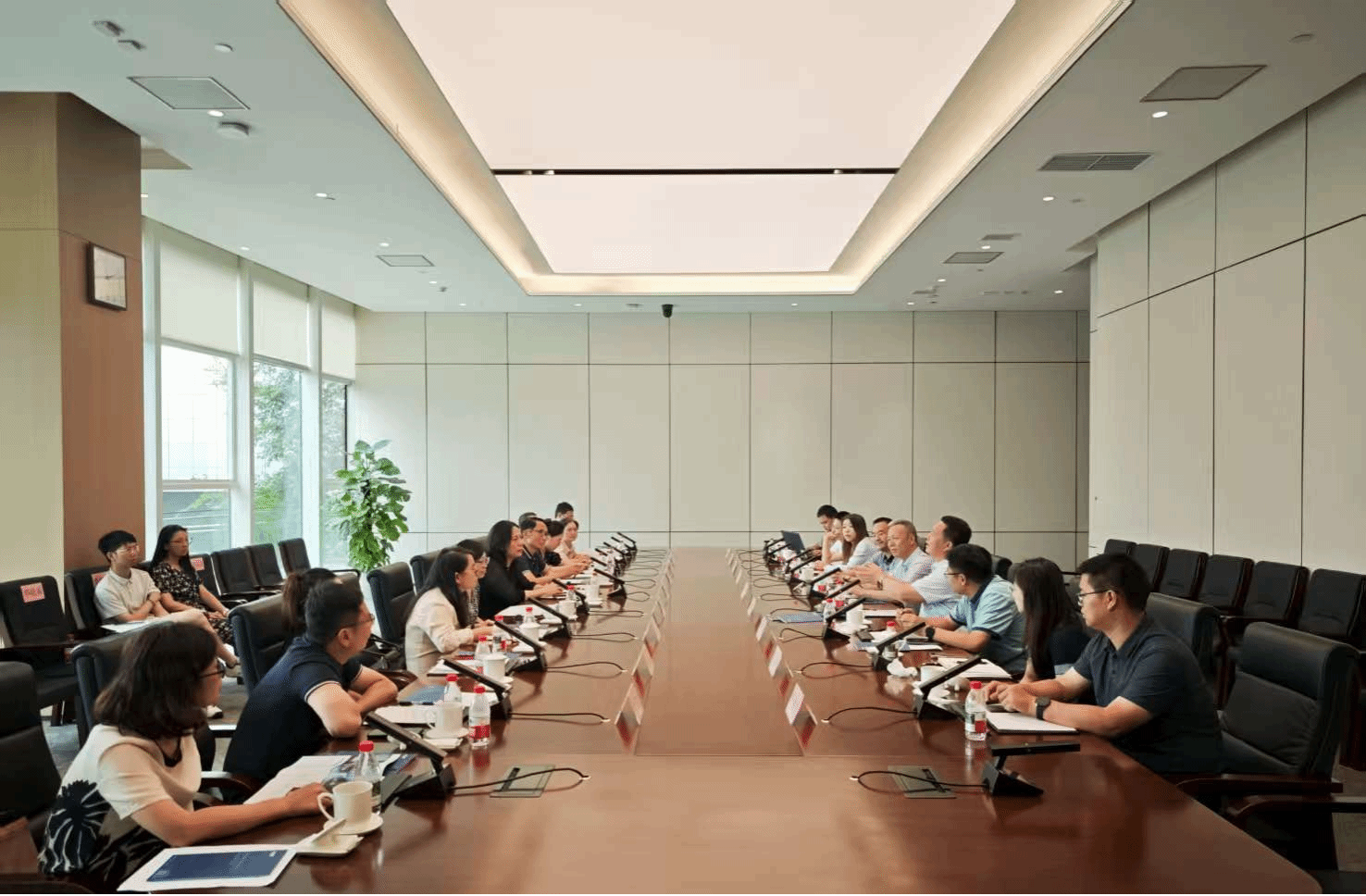
During the visit, the delegation toured NSCC-Chengdu’s high-performance computing and artificial intelligence infrastructure, observed big-data applications in public decision�making and cross�industry scientific research, and participated in a seminar with representatives from Chengdu Data Group and NSCC-Chengdu. The discussions focused on integrating supercomputing resources into ongoing undergraduate teaching reforms and research initiatives.
The seminar was attended by senior representatives including Fan Jun, Secretary of the Discipline Inspection Committee of Chengdu Data Group Co., Ltd.; Wang Jianbo, Chairman and General Manager of the Supercomputing Operations Company; Wang Hua, Deputy General Manager; as well as managers and specialists from the Administration, Financial Management, High�Performance Computing, and Innovative Applications departments.
In the exhibition hall, Engineer Zhang Bingbing provided a comprehensive overview of NSCC-Chengdu’s capabilities, including its 170 PFLOPS peak computing performance, green data center architecture, and 35 dedicated application cases spanning basic science, artificial intelligence, and urban governance.
Subsequently, both parties held in‑depth talks in Conference Room 1 of the research building, covering the following key areas:
l Data tiered management, access‑control policies, and service workflows on the supercomputing platform;
l Potential applications of high‑performance computing in fiscal and tax big‑data analysis, risk identification, and policy simulation;
l Models and best practices for collaborative curriculum design, internship programs, and research training between supercomputing centers and universities.
Faculty members outlined current undergraduate teaching objectives, explored ways to incorporate supercomputing resources into experimental courses, and discussed possibilities for interdisciplinary capstone projects utilizing the center’s platforms. NSCC-Chengdu expressed commitment to supporting talent development through trial accounts, sample datasets, and technical workshops in subsequent collaborations.
The visit provided valuable insights into the operational framework and educational outreach of a national�level computing facility, offering practical reference for curriculum optimization, expansion of practical teaching resources, and the advancement of interdisciplinary talent cultivation.